Frozen Pipe Leak Damage: What Homeowners Need to Know About
Winter temperatures can pose a serious threat to your home, especially when water pipes freeze and burst. What may begin as a small crack inside a frozen pipe can quickly escalate into extensive water damage, affecting walls, ceilings, flooring, insulation, and even the structural integrity of your property. For many homeowners, frozen pipe leaks result in sudden disruption, costly repairs, and the added stress of navigating an insurance claim.
Winter weather in South Carolina can be unpredictable. While the state does not experience prolonged freezing conditions like northern regions, sudden temperature drops during cold fronts can create serious risks for residential and commercial properties. One of the most common and damaging consequences of these cold snaps is frozen pipe leaks.
Understanding how frozen pipe damage occurs, what steps to take immediately, and how to protect your rights under your insurance policy can make a significant difference in your financial recovery. With proper preparation and experienced legal guidance, property owners can pursue fair compensation and restore their homes with confidence.
How Frozen Pipes Cause Serious Property Damage
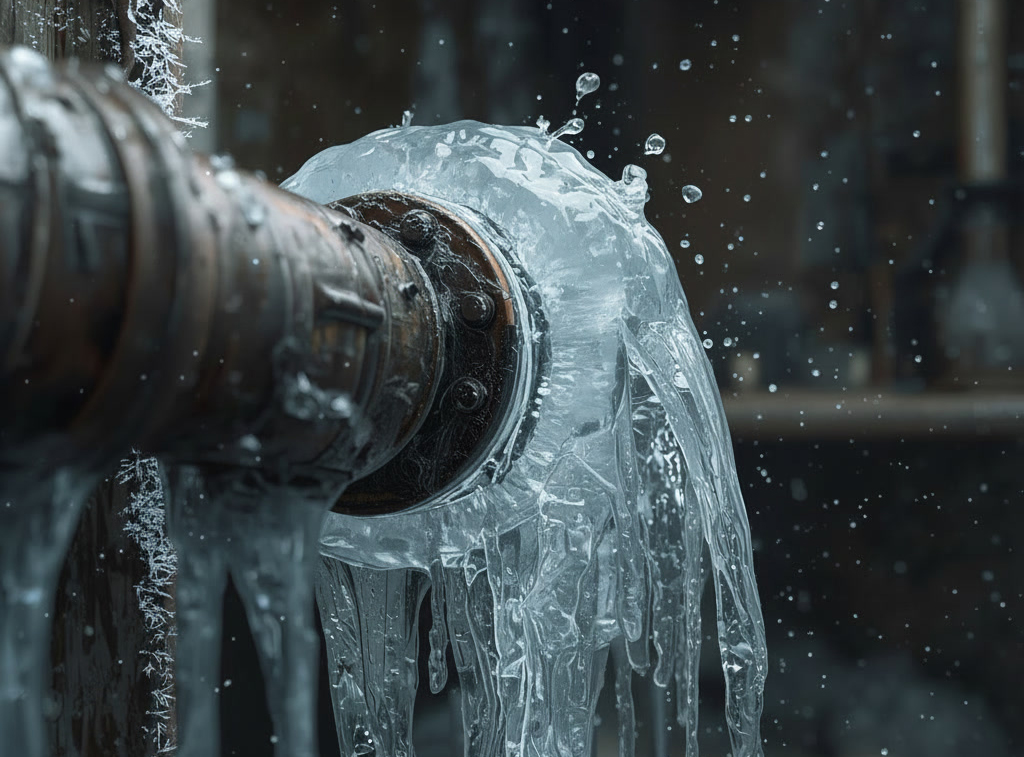
When temperatures drop below freezing, water inside exposed or poorly insulated pipes can freeze and expand. This expansion places extreme pressure on the pipe walls, often causing cracks or complete ruptures. Once temperatures rise and the ice melts, water begins flowing through the damaged pipe, leaking into surrounding areas of the home.
Unlike sudden storm damage, frozen pipe leaks may go unnoticed for hours or even days allowing water to seep into hidden areas such as:
Interior walls and insulation
Ceilings and attic spaces
Flooring and subfloors
Electrical systems and wiring
Cabinets and personal belongings
Even a small pipe break can release hundreds of gallons of water, leading to structural deterioration, mold growth, and long-term property damage.
Common Causes of Frozen Pipe Leaks
Certain conditions increase the likelihood of frozen pipes and resulting water damage. Understanding these risk factors can help homeowners take preventive measures.
Poor insulation: Pipes located in unheated areas such as attics, garages, basements, or crawl spaces are especially vulnerable.
Sudden temperature drops: Rapid freezes can catch homeowners off guard, especially in regions not accustomed to prolonged cold weather.
Unoccupied properties: Vacant homes without consistent heating are at greater risk of frozen pipes.
Exterior wall plumbing: Pipes located along exterior walls are more exposed to cold air and freezing temperatures.
Inadequate home maintenance: Cracks, gaps, or insufficient sealing allow cold air to reach vulnerable plumbing systems.
Why Frozen Pipes Are a Serious Risk in South Carolina
South Carolina’s climate makes properties particularly vulnerable because freezing temperatures often arrive suddenly and without prolonged warning. Properties may not be fully prepared for freezing conditions, increasing the risk of pipe failure.
Frozen pipes commonly occur in:
Attics and crawl spaces
Exterior walls with poor insulation
Garages and utility rooms
Vacant or seasonal properties
Older buildings with aging plumbing systems
Even a single night of freezing temperatures can cause pipes to freeze and rupture. Once the pipe thaws, water can leak continuously, causing significant damage in a short period of time.
In many cases, property owners do not notice the issue immediately, allowing water to spread behind walls and under floors, creating hidden damage that worsens over time.
The Extent of Damage Frozen Pipe Leaks Can Cause
Frozen pipe leaks can affect nearly every part of a property. Water spreads quickly and follows the path of least resistance, often damaging multiple areas at once.
Common types of damage include:
Structural damage: Water can weaken drywall, ceilings, framing, and insulation, compromising the structural integrity of the property.
Flooring damage: Hardwood floors may warp, laminate can swell, and carpeting can retain moisture that leads to long-term deterioration.
Mold and moisture issues: Moisture trapped behind walls or beneath flooring can lead to mold growth, which may create additional health risks and expensive remediation costs.
Damage to personal belongings: Furniture, electronics, appliances, and valuable personal items may be permanently damaged.
Hidden long-term deterioration: Even after visible water is removed, moisture may remain inside structural components, causing ongoing damage if not properly addressed.
Frozen pipe damage is often more extensive than it appears initially, making proper inspection and documentation critical.
What to Do Immediately After Discovering Frozen Pipe Damage
Taking the right steps quickly can help reduce damage and protect your insurance claim.
Shut off the water supply: Stopping the flow of water can prevent further damage to your property.
Document all visible damage: Take clear photos and videos of affected areas, including walls, ceilings, floors, and personal property. Proper documentation provides important evidence for your claim.
Prevent further damage if possible: Remove standing water and take reasonable steps to protect your property from additional harm. Insurance policies typically require mitigation efforts.
Save receipts and records: Keep documentation for repairs, cleanup, and damaged items. These expenses may be recoverable under your insurance policy.
Report the claim promptly: Notify your insurance company as soon as possible to begin the claims process.
Proper documentation and timely action can significantly impact the outcome of your claim.
Understanding Insurance Coverage for Frozen Pipe Leak Damage
Most property insurance policies in South Carolina cover sudden and accidental water damage caused by frozen or burst pipes. However, insurance companies may attempt to limit or deny claims by arguing that the damage resulted from preventable conditions or lack of maintenance.
Insurance companies may claim that:
The property was not properly heated
Pipes were not adequately insulated
The damage occurred over time rather than suddenly
The property was vacant or not properly maintained
Even when coverage applies, insurance companies may undervalue repair costs or fail to account for hidden damage.
Understanding your policy and ensuring your claim is properly evaluated can be challenging without experienced guidance.
Common Challenges Property Owners Face With Insurance Claims
Property owners dealing with frozen pipe damage may encounter:
Delayed claim processing
Underpayment of repair costs
Disputes over the cause or extent of damage
Requests for excessive documentation
Claim denials based on technical policy language
These challenges can create unnecessary stress and financial burden during an already difficult situation.
Protect Your Property and Your Right to Fair Compensation
Frozen pipe leaks can cause severe and unexpected damage, especially during South Carolina’s sudden winter freezes. While insurance coverage is intended to protect property owners, the claims process can be complicated and difficult to navigate alone.
Understanding your rights and working with experienced property damage attorneys can help ensure your claim is handled properly.
Property People Law is committed to helping property owners in South Carolina navigate frozen pipe damage claims and pursue the compensation they deserve. With experienced legal representation, property owners can move forward with confidence and focus on restoring their property.
Date posted: February 16, 2026
How Can I Protect My Property from Cold Weather Damage in South Carolina?
What steps should I take if my property is damaged due to a frozen pipe leak?
What Are Common Mistakes to Avoid When Filing a Frozen Pipe or Burst Pipe Claim?