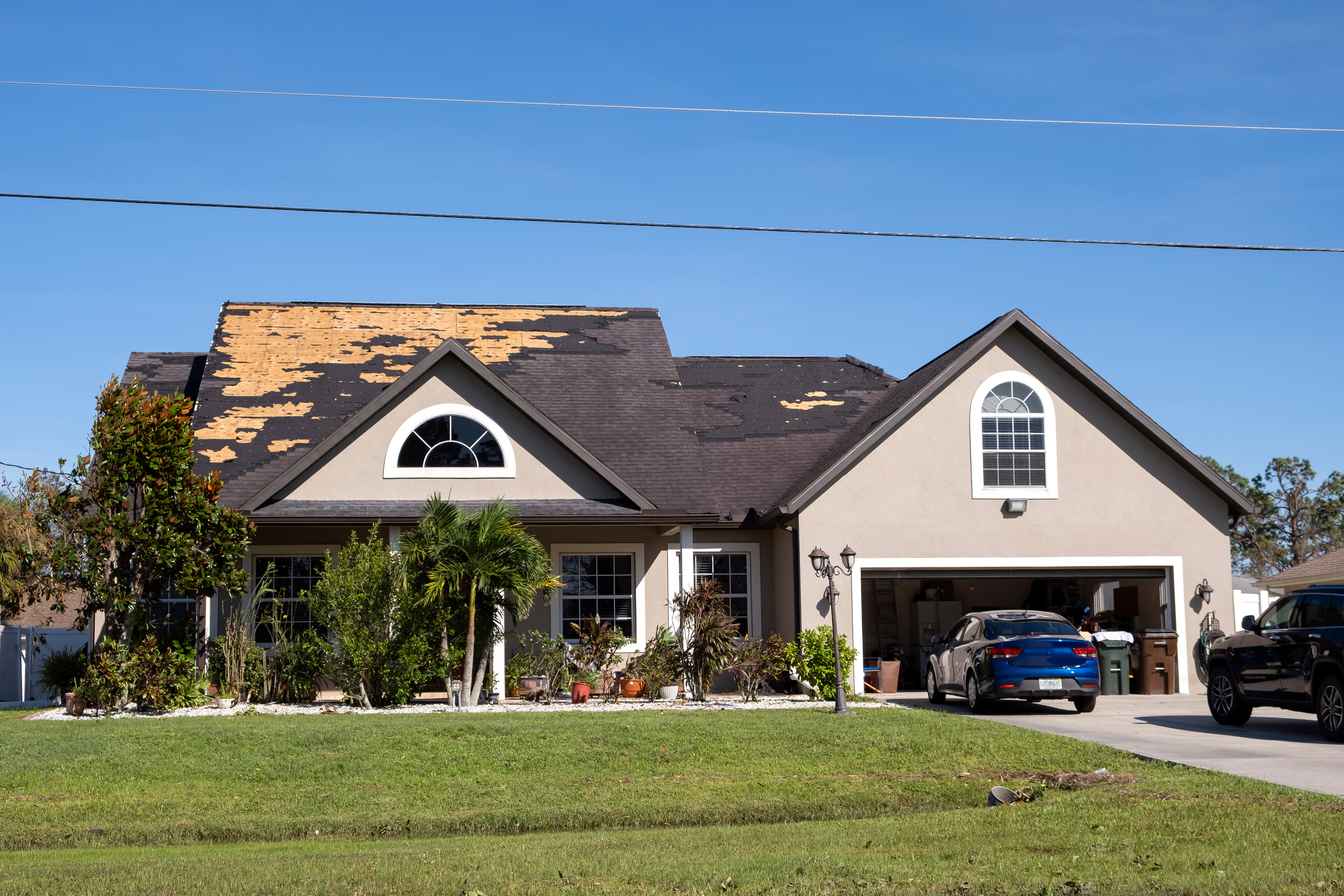
When property loss occurs in Florida, it’s often sudden and devastating, transforming homes or businesses into scenes of disarray and uncertainty.
Immediate documentation and notification are essential first steps for homeowners to take. They must gather evidence through photographs, videos, and written records. This process is crucial because the more detailed and organized a claim, the better insurers can assess damages and provide necessary support. The Florida property loss recovery process has evolved significantly over time with legal precedents shaping current practices.
Property owners need to understand their rights and responsibilities during this challenging period, ensuring they navigate insurance claims and legal nuances confidently. This knowledge helps homeowners maximize recovery outcomes while maintaining open communication with insurers throughout the process.
The road to property loss recovery in Florida is often long and fraught with complexities. Understanding what constitutes a property loss whether it's from natural disasters, accidents, or other incidents and grasping your rights and responsibilities are crucial first steps. This knowledge empowers homeowners to navigate the recovery process confidently.
Property damage can take many forms in Florida, including hurricane damage, flooding, fires, and theft. Each type of loss requires aspecific approach for documentation and claim preparation. By familiarizing yourself with these processes, you’ll be better prepared to handle unexpected events.
The legal landscape surrounding property loss recovery has evolved over time. Key legal precedents have shaped current practices, making it essential for homeowners to stay informed about their rights. This background knowledge will serve as a strong foundation as you explore the detailed steps of the recovery process.
The first and most critical step in recovering from property loss is documenting the damage immediately after an incident. Prompt documentation can significantly impact insurance claims or legal proceedings, providing a clear record of the initial state of your property.
Capturing evidence through photographs, videos, andwritten records is essential. Photographs should be taken from multiple angles to show the extent of the damage. Videos can provide a more comprehensive view,capturing details that photos might miss. Written records should include dates, times, and descriptions of the damage observed.
Organizing these documents for future reference is equally important. Create a dedicated folder or binder where you can store allrelevant information, making it easily accessible when needed. This systematicapproach will help streamline the claims process and ensure that no details areoverlooked.
Effective communication with insurance companies is key to a successful recovery. Understanding how to prepare claims and gather necessary documentation can demystify this often complex process, empowering homeowners to navigate it confidently.
The first step in preparing an insurance claim is toreview your policy details thoroughly. Familiarize yourself with coverage limits, deductibles, and any exclusions that might apply. This knowledge will help you understand what is covered and what isn’t, allowing you to set realistic expectations for your recovery.
Gathering necessary documentation involves compiling alist of damaged items along with their estimated values. Photographs, videos,and written descriptions are invaluable in supporting your claim. Maintaining detailed records throughout the process ensures that you have all the information needed when communicating with insurance adjusters or legal professionals.
Creating a comprehensive inventory of damaged items is crucial for maximizing recovery outcomes. This systematic approach involves listing affected property, assessing damage severity, and working with professionals to obtain accurate cost evaluations.
Start by systematically listing all damaged items, including their descriptions, quantities, and estimated values. This inventory should be as detailed as possible, capturing even minor damages that might otherwise be overlooked. Organize the list into categories such as furniture, electronics, appliances, and structural elements for easy reference.
Assessing damage severity involves determining the extent of repairs needed. For minor damages, homeowners can often handle repairs themselves; however, more significant issues may require professional assistance. Engage with licensed contractors or repair specialists to evaluate the damage and provide cost estimates. These professionals can offer insights into necessary repairs, helping you make informed decisions about your property’s restoration.
The final step in recovering from property loss involves consolidating all previous actions into practical recommendations for maximizing recovery outcomes.
Follow-up actions after filing claims or initiating legal proceedings are crucial. Maintain open communication with insurers and legal advisors, ensuring that they have all the necessary information to process your claim efficiently. Regular check-ins can help address any issues promptly and keep the recovery process on track.
Documenting every interaction with insurance companies or legal professionals is essential for maintaining a clear record of events. Keep detailed notes on conversations, decisions made, and agreements reached. This documentation will serve as valuable evidence if disputes arise during the claims process.
If you’re ready to navigate the complexities of property loss recovery in Florida with confidence, contact The Property People today. Our dedicated team of legal professionals is here to guide you through every step, ensuring that your rights are protected and your recovery outcomes are maximized.
Acting swiftly is crucial when you find property damage. Here are the initial steps you should take:
• Safety first: Ensure that it's safe to stay in your property or to approach the damaged area. If there's any risk, leave the premises immediately and contact the appropriate emergency services.
• Notify your insurance company: Inform them about the incident as soon as possible. Most policies require prompt notification of losses.
• Document the damage: Take photos and videos of the affected areas to record the extent of the damage. Gather any relevant documents, such as receipts for damaged items, to support your claim.
• Keep a record of your communication: Maintain a log of all communication with your insurance company, including dates, times, and the names of the people you spoke with.
Thorough documentation is vital for supporting your insurance claim. Here are some tips for effective evidence gathering:
• Photograph and videotape: Capture images and footage of the damage from multiple angles, making sure to include the date and time. Focus on the source of the damage, affected areas, and any surrounding context that could be relevant.
• Create an inventory: Make a detailed list of damaged items, including their condition, age, and estimated value. Include serial numbers and receipts if available.
• Measure and sketch: If possible, measure the affected areas and create simple sketches to illustrate the layout and extent of the damage. This can help your adjuster understand the scene better.
• Gather witnesses: If anyone witnessed the incident, get their contact information and ask for a brief statement about what they saw.
Store all your documentation in a safe place and keep a backup copy, either digitally or in the cloud, for easy access and reference.
In some cases, you can handle your property loss claim on your own. However, there are situations where hiring an experienced attorney can significantly improve your chances of success:
• Complex claims: If your claim involves multiple sources of damage, complex policies, or high-value losses, an attorney can help navigate the intricacies of your case.
• Insurance bad faith: If you suspect that your insurance company is acting in bad faith or denying your claim without proper cause, an attorney can help hold them accountable and fight for your rights.
• Disputes with other parties: If there are disagreements with other parties involved, such as neighbors, contractors, or additional insureds, an attorney can represent your interests and help resolve disputes.
• Litigation: If your case proceeds to court, an experienced attorney can provide invaluable guidance and advocacy throughout the litigation process.
At The Property People, we can review your case and provide tailored advice on whether hiring an attorney would be beneficial for your specific situation.
Negotiating with your insurance provider can help ensure that you receive a fair settlement for your property loss claim. Here are some tips for effective negotiation:
• Know your policy: Familiarize yourself with the terms, conditions, and coverage limits of your policy. Understand what is and isn't covered, and the process for filing a claim.
• Document everything: Keep a detailed record of all communication with your insurance company, as well as any documentation supporting your claim, such as photographs, estimates, and receipts.
• Be realistic: Research the value of damaged items and the cost of repairs to ensure your settlement demand is reasonable. Consider using independent appraisers or contractors to provide objective estimates.
• Stay organized: Keep all your documents and information organized, making it easier to present a clear and compelling case during negotiations.
• Be patient and persistent: Insurance negotiations can take time. Stay patient and follow up regularly to keep your claim moving forward.
If you encounter resistance, politely persist in your efforts to reach a fair settlement. If you're unsure about negotiating with your insurance provider or feel that you're not making progress, consider seeking the help of a experienced attorney or public adjuster. At The Property People, we can provide guidance and representation throughout the negotiation process.
An inventory is a detailed list of all the items in your home or business that were damaged or destroyed due to a loss. Creating an inventory is crucial for your property loss claim for several reasons:
• Documenting your belongings: A comprehensive inventory helps you remember and record all the items you owned, reducing the likelihood of forgetting valuable possessions.
• Proving ownership: In the event of a dispute, an inventory can serve as evidence of your ownership of the damaged or lost items.
• Establishing value: By including details such as the age, condition, and estimated value of each item, your inventory helps support your claim for reimbursement.
• Facilitating the claims process: A well-organized inventory makes it easier for your insurance adjuster to understand the extent of your losses and process your claim more efficiently.
At The Property People, we can guide you through the process of creating an inventory and ensure that it meets the requirements of your insurance provider.
If your insurance company denies your property loss claim, it's essential to understand the reasons behind their decision and explore your options. Here are some steps you can take:
• Request a detailed explanation: Ask your insurance company for a written explanation of the reasons for denying your claim, as well as the specific policy provisions they relied upon.
• Review your policy: Carefully read your insurance policy to ensure that you understand the coverage limits, exclusions, and any applicable deductibles.
• Gather additional evidence: If you believe your claim was wrongfully denied, collect any new or additional evidence that supports your position and submit it to your insurance company.
• File an appeal: Most insurance policies provide a process for appealing denied claims. Follow the instructions outlined in your policy to file an appeal, making sure to include any new evidence and a detailed argument supporting your claim.
• Consider hiring an attorney: If your appeal is denied, or if you believe your insurance company is acting in bad faith, consult with an experienced attorney to discuss your legal options. An attorney can help you navigate the complexities of insurance law and fight for your rights.
At The Property People, we can help you understand the reasons behind your claim denial and provide guidance throughout the appeal process or represent you in legal action if necessary.
The timeline for property loss recovery can vary significantly depending on several factors, such as the extent of the damage, the complexity of your claim, and the responsiveness of your insurance company. In general, you can expect the process to take several months to a year or more:
• Inspection and documentation: After filing your claim, your insurance company will typically schedule an inspection to assess the damage. This process can take anywhere from a few days to a few weeks, depending on the adjuster's workload and availability.
• Estimation and negotiation: Once the inspection is complete, your adjuster will prepare an estimate of the damages. Negotiations with your insurance company or additional parties, such as contractors or other insureds, can add several weeks to the process.
• Repair and reconstruction: After reaching an agreement on the settlement amount, you can proceed with repairs or reconstruction. The duration of this phase depends on the scope of the work and the availability of contractors.
• Final settlement: Once repairs are complete, you'll receive the final settlement payment from your insurance company, minus any applicable deductibles or reimbursements.
The property loss recovery process can be lengthy and complex. At The Property People, we can guide you through each stage, ensuring that your claim progresses as smoothly and efficiently as possible.
While having receipts and other proof of ownership can strengthen your property loss claim, it's still possible to file a claim without them. Here are some alternative ways to demonstrate ownership and value:
• Photographs and videos: If you have images or footage of your belongings, you can use them to prove that you owned the items and provide an approximate value based on their condition.
• Credit card statements: If you purchased items using a credit card, your statements can serve as evidence of ownership, especially if they include detailed descriptions of the items.
• Bank statements: If you received income from renting out damaged property or from the sale of damaged items, your bank statements can help establish ownership and value.
• Witness statements: Friends, family, or neighbors who are familiar with your property and belongings can provide sworn statements attesting to your ownership of damaged items.
•Replacement value estimates: If you can't provide original receipts, you may need to obtain estimates from retailers or manufacturers to determine the current replacement value of damaged items.
At The Property People, we can help you gather alternative forms of evidence and present a compelling case for your property loss claim, even without original receipts or proof of ownership.
If you suspect fraudulent activity during the property loss recovery process, it's essential to take immediate action to protect your interests and prevent further wrongdoing. Here are some steps youcan take:
• Document the suspected fraud: Gather as much evidence as possible, including documents, communications, and any other relevant information that supports your suspicions.
• Notify your insurance company: Inform your insurance provider about the suspected fraud in writing, providing them with a detailed explanation and any supporting evidence. Request that they investigate the matter promptly.
• Contact local law enforcement: File a report with your local police department or a relevant state agency responsible for investigating insurance fraud. They can provide guidance and assist with the investigation.
• Consult with an attorney: An experienced attorney can help you understand your legal rights and options, as well as represent you in any subsequent legal action that may arise from the suspected fraud.
• Report the fraud to relevant organizations: Notify organizations such as the National Association of Insurance Commissioners (NAIC) or the Coalition Against Insurance Fraud (CAIF) to help raise awareness about the suspected fraud and contribute to industry-wide efforts to combat this issue.
At The Property People, we are committed to ethical and transparent practices. If you suspect fraudulent activity during your property loss recovery process, please don't hesitate to contact us for guidance and support.
Protecting your property from future damage involves a combination of preventive maintenance, insurance, and emergency preparedness. Here are some tips to help safeguard your property:
• Maintain your property: Regular upkeep and repairs can help prevent damage from occurring. Inspect your property regularly for signs of wear, tear, or potential hazards, and address any issues promptly.
• Improve drainage: Ensure that water can drain away from your property to prevent flooding and water damage. This may involve grading your lawn, cleaning gutters, or installing a sump pump.
• Strengthen your roof and windows: Invest in high-quality roofing materials and impact-resistant windows to better withstand severe weather conditions and minimize the risk of damage.
• Install a security system: A monitored security system can help deter burglary and vandalism, aswell as provide early warning of fires, gas leaks, or other hazards.
• Review your insurance coverage: Ensure that you have adequate insurance protection for your property, including coverage for common perils such as wind, fire, theft, and water damage. Consider purchasing endorsements or additional coverage for specific risks in your area.
• Prepare for emergencies: Create an emergency plan for your family, including evacuation routes, meeting points, and a list of important contact information. Assemble an emergency supply kit with essential items such as water, non-perishable food, flashlights, and first-aid supplies.
At The Property People, we can help you understand the specific risks associated with your property and provide tailored recommendations for protecting it from future damage.